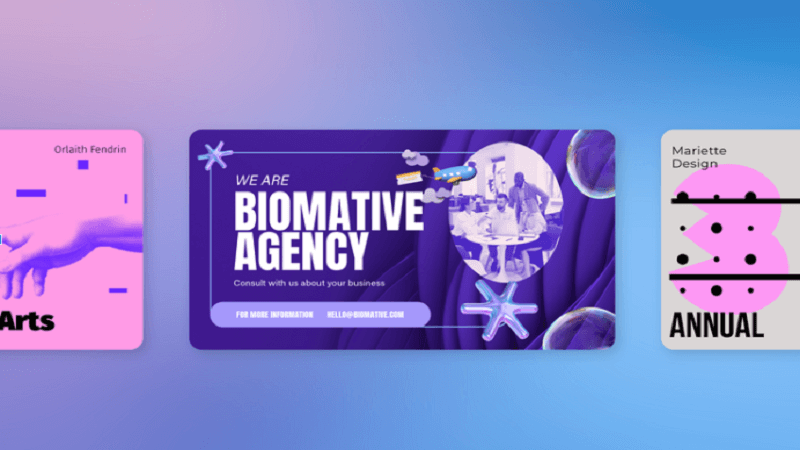
We’ve all been there: staring at a blank slide deck with a deadline creeping closer, trying to turn scattered thoughts into something clear, professional, and convincing. Whether it’s for school, work, a community project, or a personal idea you care about, creating a good presentation isn’t just about design. It’s about telling a story that makes sense to real people. And in today’s fast-moving world, the way we create and communicate ideas is changing faster than ever.
Modern tools are reshaping how we work, learn, and express ourselves. Instead of spending hours choosing fonts, aligning boxes, or worrying whether your slides look right, more people are focusing on what actually matters: the message. This shift fits perfectly with the kind of practical, stress-reducing lifestyle approach often explored on platforms like easylifeways.net. It’s about finding smarter, simpler ways to handle everyday challenges without burning out.
Why AI Is Changing the Way We Create Presentations
In the second paragraph of this conversation, it’s worth highlighting how tools like an AI presentation maker are redefining the entire process. Rather than starting from scratch, you can begin with a simple idea or outline and let intelligent design assistance handle the structure, layout, and visual flow. The result is presentations that look polished and professional, even if design isn’t your strong suit.
This is not about replacing creativity. It is about supporting it. AI tools work best when you bring the ideas, and they help translate those ideas into something visually clear and engaging. For busy students, professionals, or creators juggling multiple responsibilities, this can save hours of time and mental energy.
Less Time Designing, More Time Thinking
One of the biggest hidden costs of traditional presentation creation is cognitive overload. You are not just writing content. You are also making dozens of small design decisions. Background color, font size, alignment, and image placement all take mental energy. Over time, these decisions add up and drain focus.
AI-powered presentation tools reduce that burden. By offering smart layouts and visual suggestions, they allow you to stay focused on the substance of your message. This is especially useful when:
- Preparing school projects under time pressure
- Creating work presentations for meetings or pitches
- Building educational content or tutorials
- Sharing ideas for nonprofits, clubs, or personal initiatives
Instead of fighting with formatting, you can refine your ideas, practice your delivery, and think about your audience.
Real-Life Example: From Idea to Impact
Imagine a student preparing a class presentation on sustainable living. They have good research but struggle with design and structure. Using AI-assisted tools, they input their main points: energy savings, mindful consumption, and simple daily habits. Within minutes, they have a clean slide structure that visually supports their message.
Now think of a small business owner pitching a wellness-related service. Instead of hiring a designer or using generic templates, they can create a presentation that feels tailored, modern, and confident without blowing the budget or losing sleep over design details.
In both cases, the technology does not replace human effort. It amplifies it.
Accessibility and Confidence for Non-Designers
Not everyone is a designer, and that is okay. One of the most empowering aspects of AI-driven tools is accessibility. They lower the barrier for people who may feel intimidated by visual creation.
This is particularly important for:
- Young learners building confidence
- Professionals in non-creative roles
- People returning to education or work after a break
- Anyone who wants their ideas taken seriously
When your slides look organized and professional, it boosts confidence. When you feel confident, you communicate better. That ripple effect can make a real difference in outcomes.
Presentation Quality Still Depends on You
While AI can help with structure and visuals, the heart of any good presentation is still human. Clear thinking, honest storytelling, and relevance to the audience matter more than animations or color palettes.
Here are a few expert tips to get the most out of modern presentation tools:
- Start with a clear goal: What do you want your audience to understand or do?
- Keep it simple: One main idea per slide is often enough.
- Use visuals with purpose: Images and icons should support your message, not distract from it.
- Practice out loud: Even the best slides cannot replace clear spoken communication.
Think of AI as a helpful assistant, not the speaker.
A Smarter, Calmer Way to Work
At its core, using intelligent tools for everyday tasks is about balance. Less stress, less wasted time, and more space to think, learn, and grow. This aligns closely with a modern lifestyle philosophy: working smarter instead of harder, and choosing tools that support your well-being rather than overwhelm it.
When presentations stop being a source of anxiety and become a simple extension of your ideas, something shifts. You are no longer just getting through a task. You are actually enjoying the process of sharing what matters to you.
Final Thoughts: Let Your Ideas Lead
Technology should serve people, not the other way around. The best presentation tools today recognize that truth by putting ideas first and design second. When you are supported by smart systems, you can focus on clarity, authenticity, and connection.
Whether you are a student, professional, or lifelong learner, the future of presentations is not about flashy slides. It is about meaningful communication made easier. This is a step toward a more balanced, efficient, and confident way of working in everyday life.